Quality of life - Wellness Survey Results
None of our activites this year could have been done without support from Kitsap Counties 1/10 of 1% fund, Virginia Mason, and the Suquamish Foundation
Survey Scoring
The QOLBRI is a tool to measure the quality of life after brain injury. It is grouped into satisfaction items and bothered items. Within the satisfaction items, there are four question categories and within the bothered items the are two question categories.
There are 36 Quality of Live questions in this survey (27 Satisfaction and 9 Bothered).
Kitsap Brain Injury Calculus
Calculus is the mathematical study of change and seemed to be the appropriate description of this activity as we a measuring a recording the change in quality of life, it seemed necessary to deviate from the scoring methods supplied by QOLBRI as their method didn’t seem to be relative to anything. It measures specifically the value of hardship against satisfaction. The satisfaction categories are Cognitive, Self, Social Relationships Daily Life & Autonomy. The hardship items are Emotions, Physical Problems, and Substance Use. As we were required to include a substance use category, it seemed appropriate to incorporate it into a new grouping within hardship items. By dividing the satisfaction items by the hardship items, we will have attained a specific relative value that is representative of the required measurement. This measurement will not be generalizable for comparison to any other area other than Kitsap. By recording our modified QOLBRI results we can measure these relative value changes over time.
Survey Scoring Mechanics
The method we are using uses a normal Likert scoring system from 1 to 5 (1-not at all, 2-slightly, 3moderately, 4-quite, 5-very). There are 27 satisfaction questions in three categories. There are 13 questions in the hardship category that cover three additional categories. The substance abuse items are yes or no questions. No are scored as zero and yes is scored as one. The numbers are multiplied by the question number to provide appropriate weighting. For example, an answer of yes on the third answer will be scored as 3. The substance abuse section includes four yes-no questions. In this section no answers equal zero and yes answers equal one. Every answer is multiplied by the number of the question. For instance, if all questions are answered yes it will equal 10. This total is added to the total hardship score.
We had received a total of twenty-nine completed surveys. This represents 7.6% of all people who attended the meetings.
Click on the image to enlarge
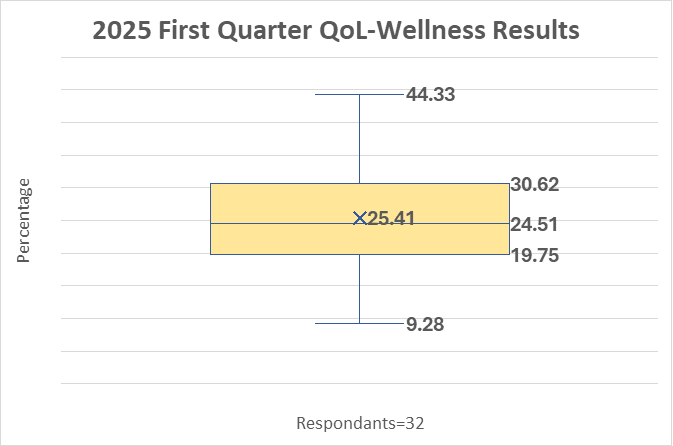
First Quarter Wellness Survey Results
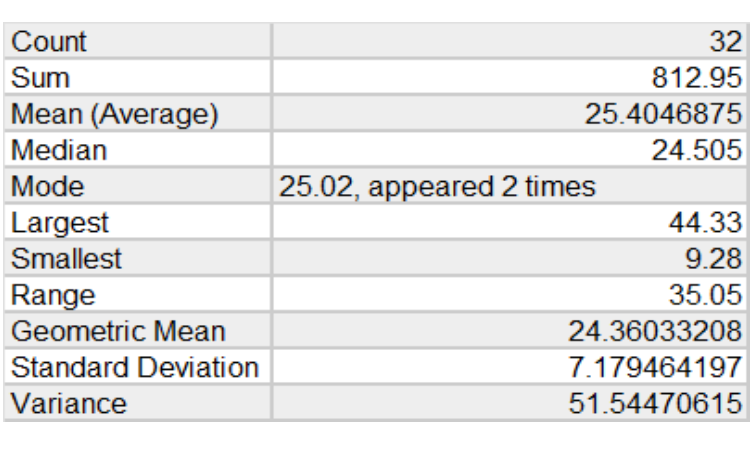
Measures of Centrality
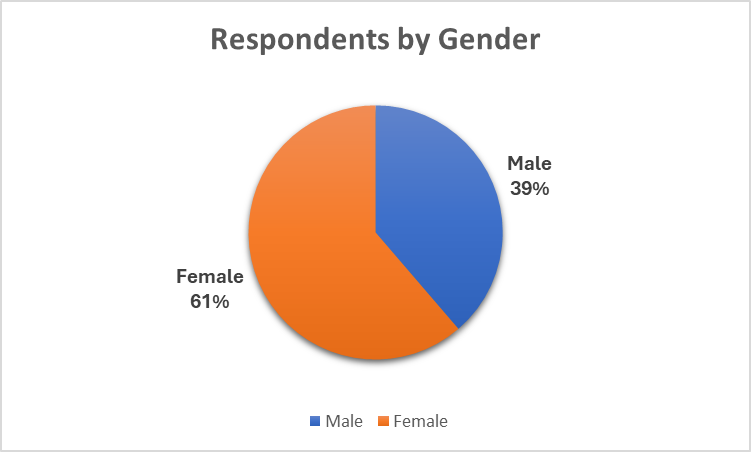
Respondents by Gender
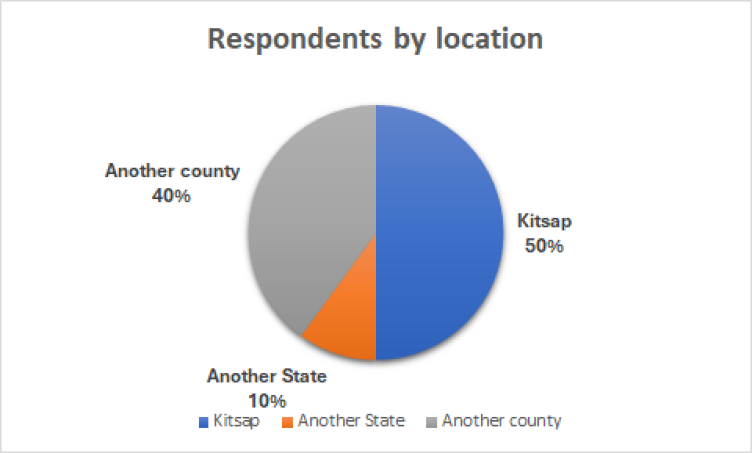
Respondent by Location
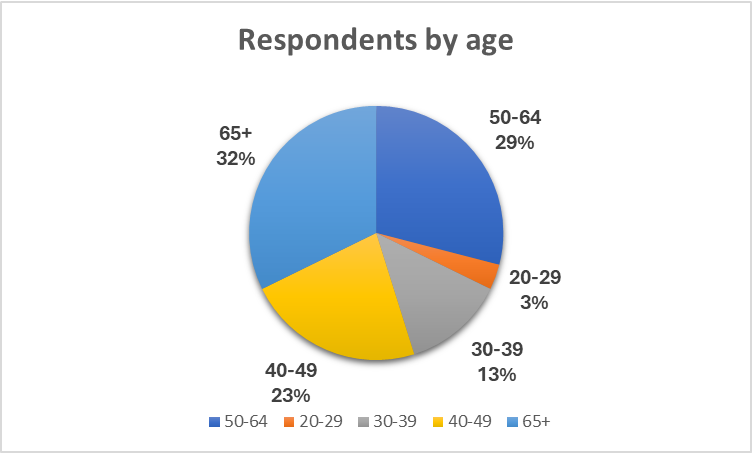
Respondent by Age
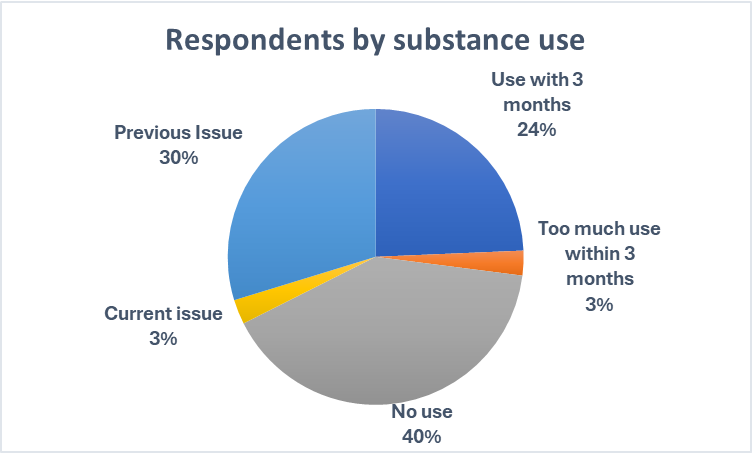
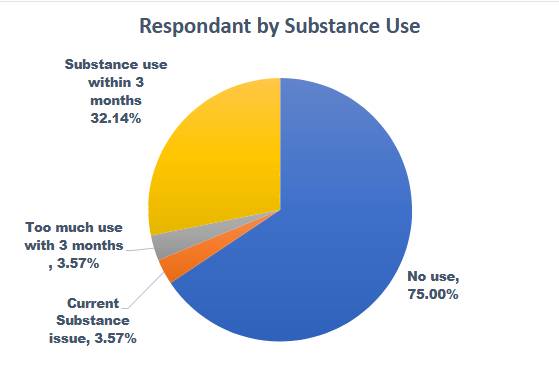
Respondent by Substance Use
We had received a total of five completed surveys. This represents 0.018% of all people who attended the meetings.
Click on the image to enlarge
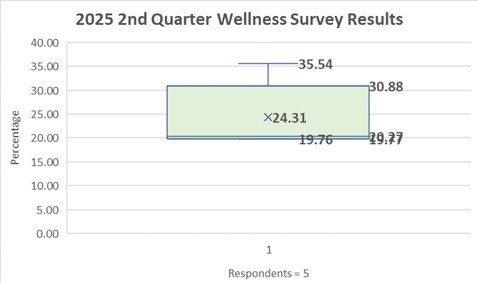
Second Quarter Wellness Survey Results
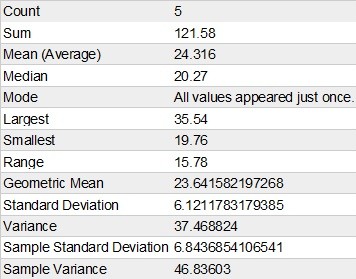
Measures of Centrality
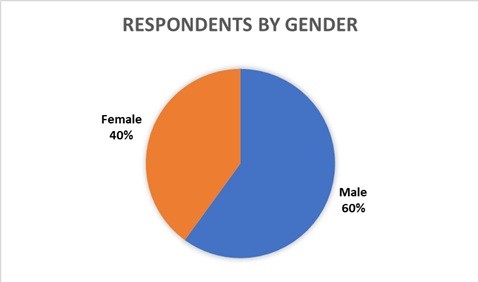
Respondents by Gender
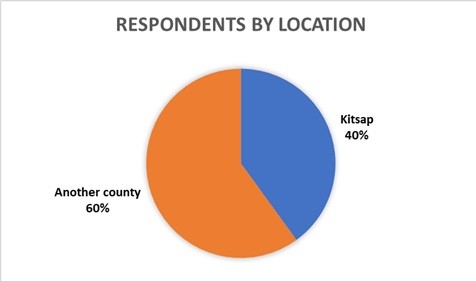
Respondent by Location
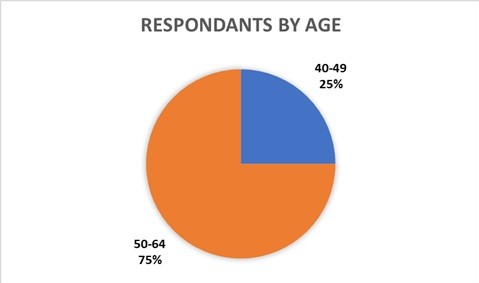
Respondent by Age
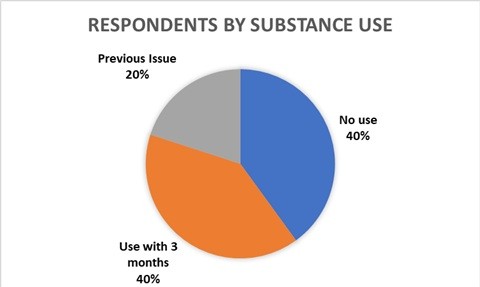
Respondent by Substance Use
We had received a total of five completed surveys. This represents 0.018% of all people who attended the meetings.
Click on the image to enlarge
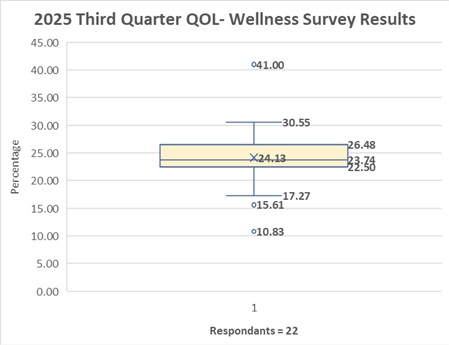
Quarter Wellness Survey Results
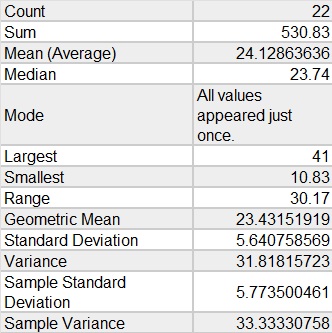
Measures of Centrality
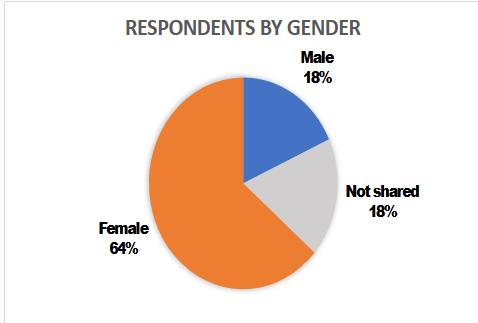
Respondents by Gender
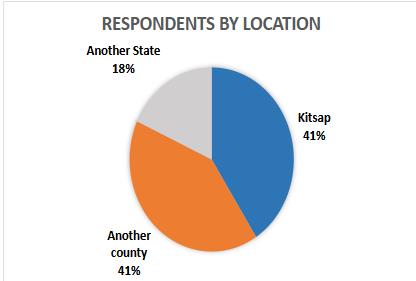
Respondent by Location
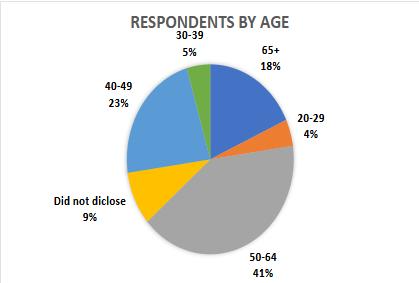
Respondent by Age
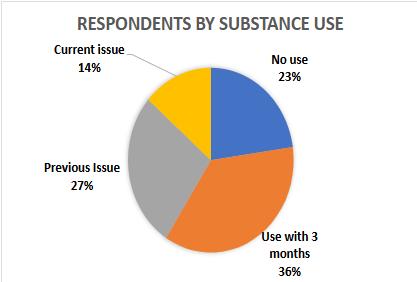
Respondent by Substance Use
We had received a total of twenty-nine completed surveys. This represents 7.6% of all people who attended the meetings.
Click on the image to enlarge
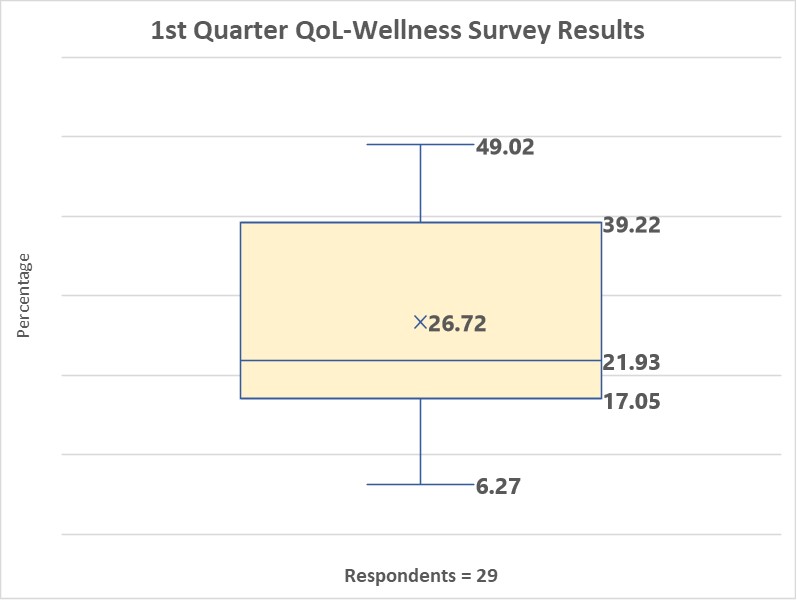
First Quarter Wellness Survey Results
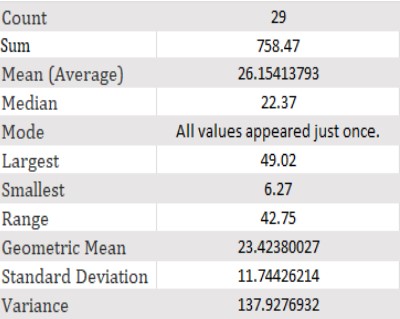
Measures of Centrality
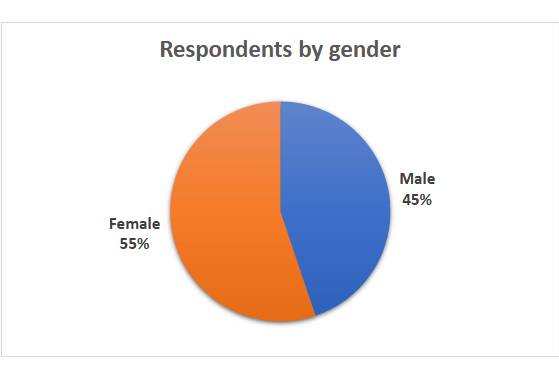
Respondents by Gender
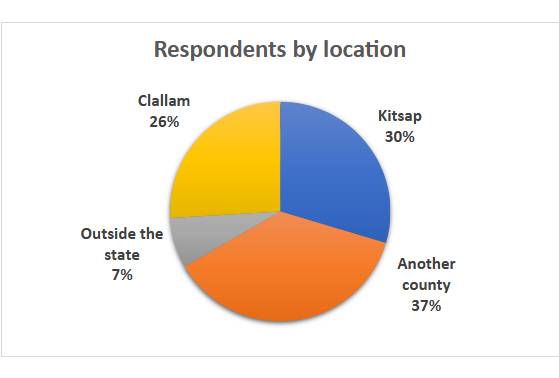
Respondent by Location
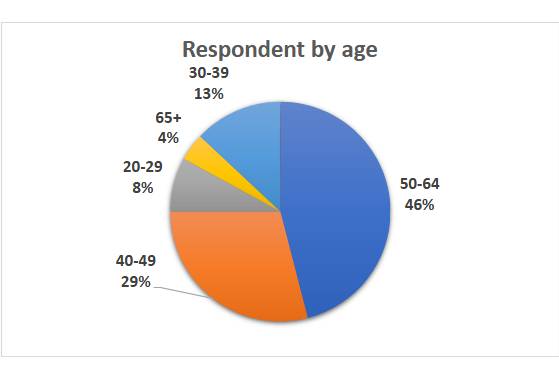
Respondent by Age
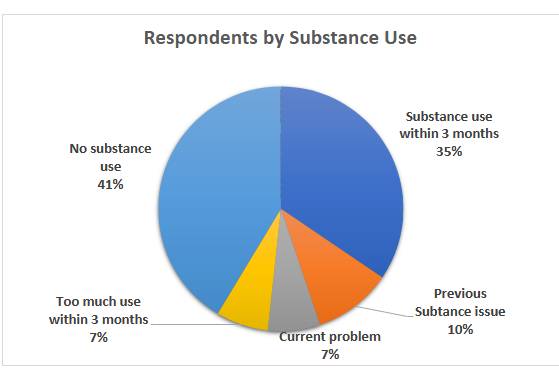
Respondent by Substance Use
We had received a total of twenty-five completed surveys. This represents 6.5% of all people who attended the meetings.
Click on the image to enlarge
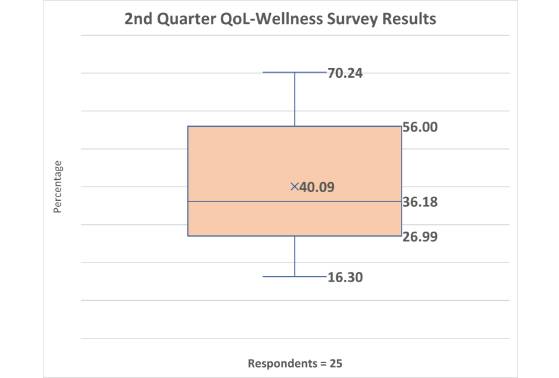
Second Quarter Wellness Survey Results
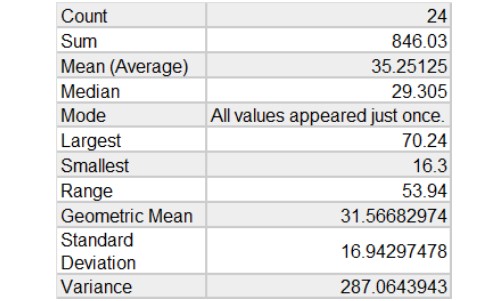
Measures of Centrality
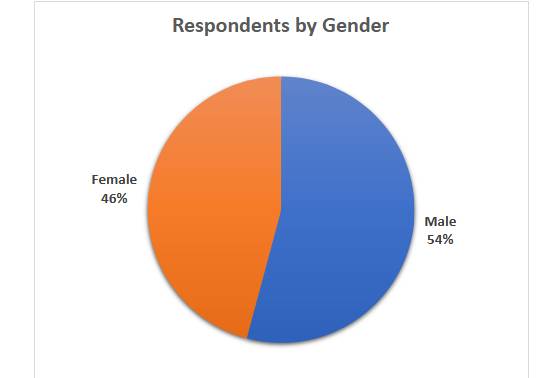
Respondents by Gender
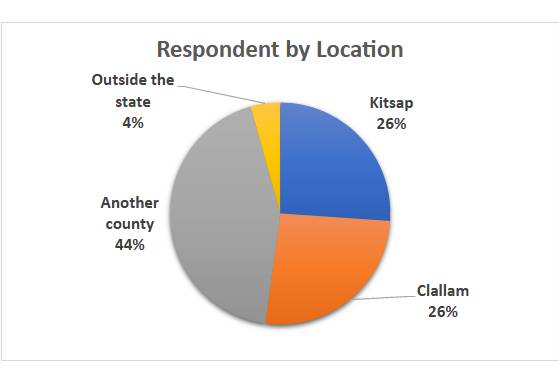
Respondent by Location
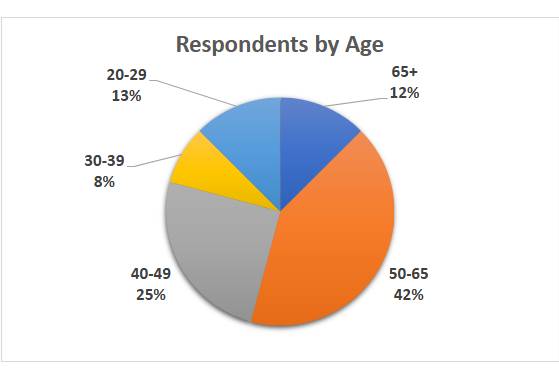
Respondent by Age
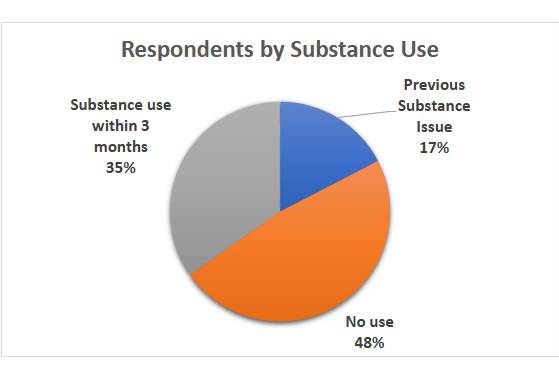
Respondent by Substance Use
We had received a total of twenty-one completed surveys. This represents 5.98% of all people who attended the meetings.
Click on the image to enlarge
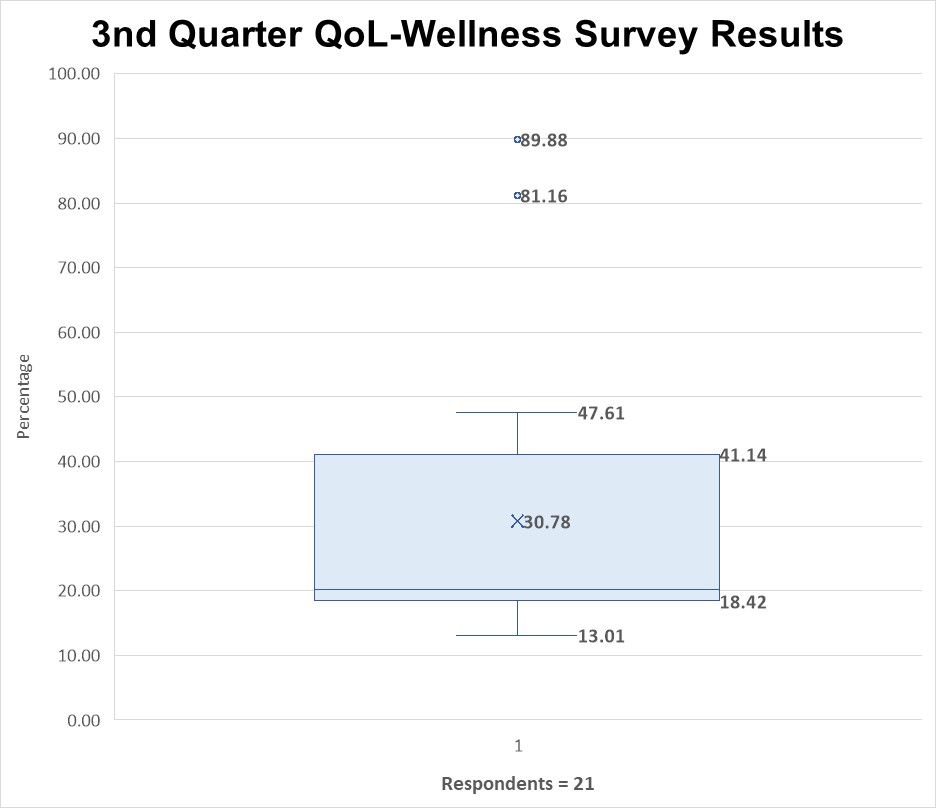
Third Quarter Wellness Survey Results
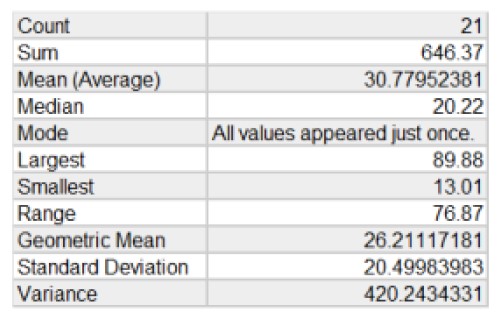
Measures of Centrality
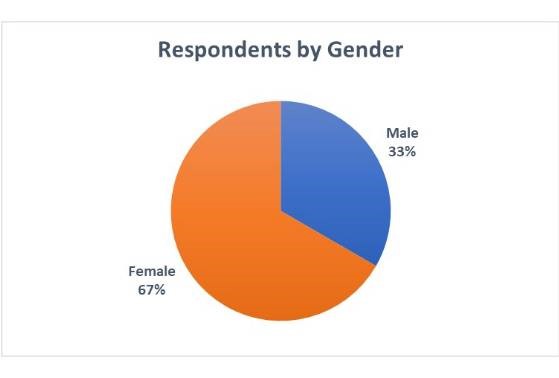
Respondents by Gender
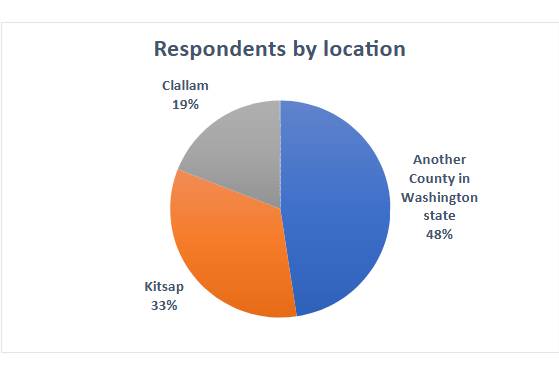
Respondent by Location
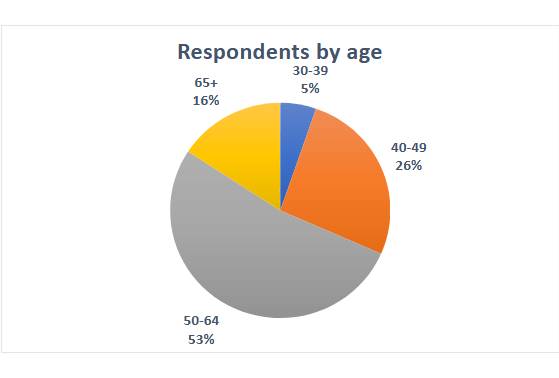
Respondent by Age
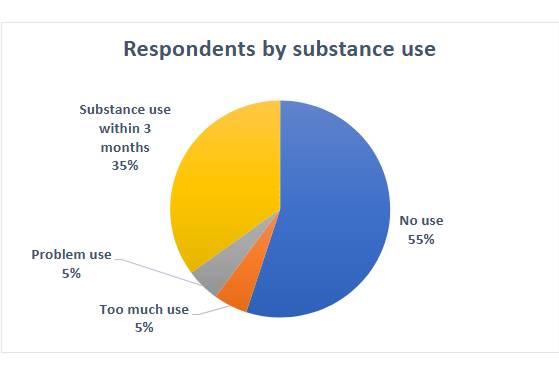
Respondent by Substance Use
We had received a total of twenty-one completed surveys. This represents 5.98% of all people who attended the meetings.
Click on the image to enlarge
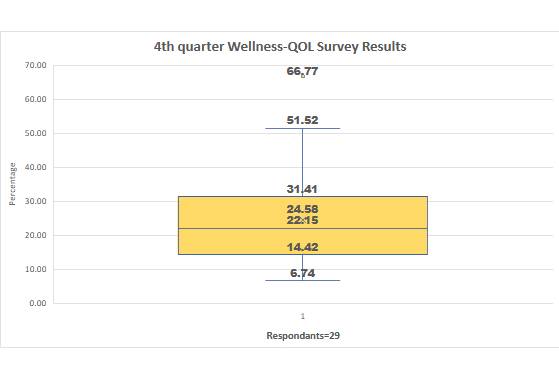
Fourth Quarter Wellness Survey Results
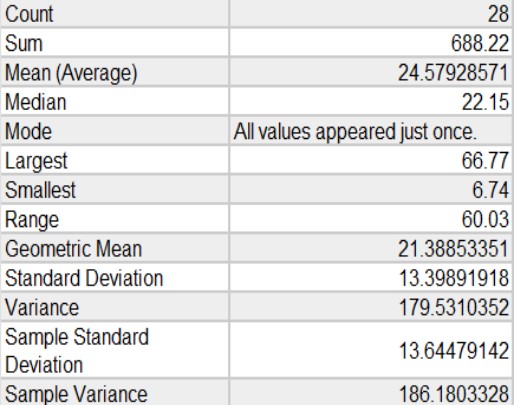
Measures of Centrality
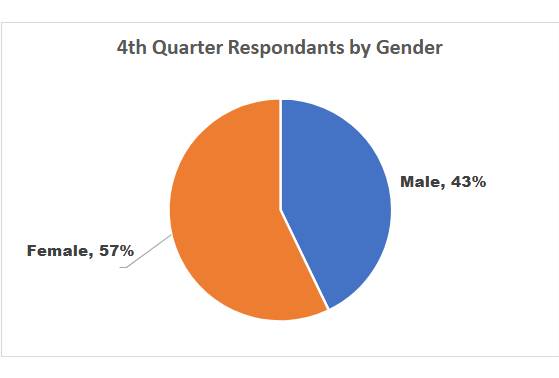
Respondents by Gender
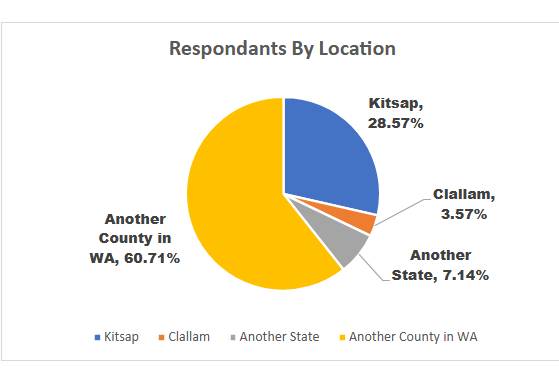
Respondent by Location
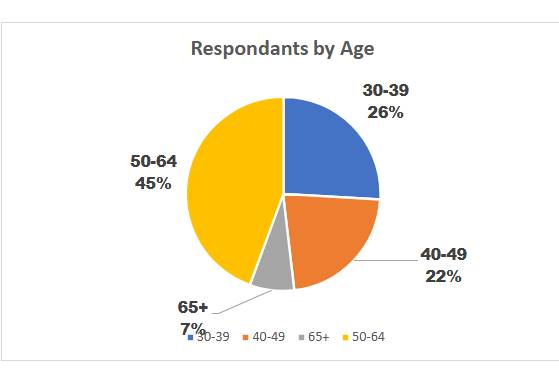
Respondent by Age